Raphael’s Madonna of the Chair, Van Gogh’s Wheat Field with a Flight of Ravens, Caravaggio’s Basket of Fruit, Leonardo da Vinci’s Mona Lisa, Jan Vermeer’s Girl with a Turban, and Manet’s Nanà are just a few examples. When you first started painting with oil, these famous and wonderful works probably came to mind.
It is hoped that this article will assist you in learning the fundamentals of oil panting without burning the stages. Nine helpful hints will help you get started painting with oil colors like a pro and avoid making minor errors.

Oil painting Basics: Let’s start!
1 – Use Quality Oil Paints
Let’s begin with the fundamentals: not all oil tones are something very similar.
Even though you’re just getting started, you don’t have to use the best colors, this doesn’t mean you have to.
With low-quality paints, you can’t learn to paint in a way that makes you happy. Purchase a box of high-quality oil paints from well-known and well-respected brands like Maimeri, Van Gogh, Rembrandt, Sennelier, Schmincke, and Winsor & Newton as our first recommendation.
Therefore, you can start with a cheap box and then combine it with other colors in bulk to suit your preferences.
If you’re just getting started with oil painting, this is the best way to learn.
2 – Choose The Right Paintbrushes
Which brushes are ideal for this method?
Not all brushes are really great for oil painting.
The Kolinsky Marten brushes are a good option for those who can afford them. These brushes can hold a lot of color and slowly release it thanks to the fine marten hair they are made of.
At any rate, the people who need to set aside cash can likewise utilize bristle brushes;
Ox hair brushes, on the other hand, must not be used in the oil technique; however, those who enjoy tempera and acrylics can use them with satisfaction.
3 – Don’t Trust The Color in the Tubes
True painters rarely use colors straight from the tube. Instead, they almost always use a combination of two to three colors before painting anything on the canvas.
Why?
From a limited number of tubes, artists can produce an infinite number of colors. The most common ranges of tube colors include 120 distinct colors, but they do not include all natural colors. Makers plan exceptionally soaked varieties to permit painters to accomplish agreeable blends.
This indicates that the colors we purchase are too saturated and dissimilar to the colors we see in nature.
4 – Don’t Mix Too Many Colors
We stated that before using the colors, painters must mix them together.
You shouldn’t overdo it, though.
Everything has a limit, even mixing different colors.
Regardless of how immersed they are, even the best quality colors begin to “get lost” sooner or later.
When you mix colors, it’s important to remember which ones you want to use.
This is important because colors tend to gray out when mixed.
Otherwise, you run the risk of jeopardizing the finished product or mixing gray tones that cannot be recovered in a good way.

5 – Did You Know You Can Paint On Canvas But On Oil Paper Too?
Obviously, when you discuss oil painting, you quickly consider materials.
Many people are unaware that painting can also be done on paper!
Paper blocks that best imitate the texture of a canvas are available.
This paper is ideal for portrayals, review, and small scale trial of your artistic creations before you will paint them straightforwardly on the material.
Attempt them and you’ll adore them!
6 – Use The Right Thinners
At first, many people believe that white spirit is a good oil paint thinner.
Pay close attention to this error! It is not, as you might have already guessed.
Brushes should be cleaned with white spirit. Additionally, there are divergent viewpoints on this issue.
Tintorsetto, an Italian oil painting product, is a non-toxic and odorless detergent designed specifically for brush cleaning.
Instead of using oil to dilute your pigments, you should use the right thinners, like linseed oil or safflower oil.

7 – Should you use white? Not Really
Oil painting fundamentals can easily resolve this common issue.
As we mentioned above, oil paints in their tube form should not be used. White people especially suffer from this.
Try applying a few white strokes to your sheet: Titanium white, zinc white, or titanzinco white can all be used. Indeed, presently contrast it and the white of the articles you might want to paint.
The whites don’t coordinate, right?
The reason for this is that the “real” white we see in real life almost always appears “less white” than the white in one of the tubes. Depending on the colors that will be near it, each white will react differently and have a different character.
Some whites are warmer and must be mixed with a hot color like red or yellow, while others are colder and must be mixed with a little blue or green.
8 – Start With A Clean Drawing
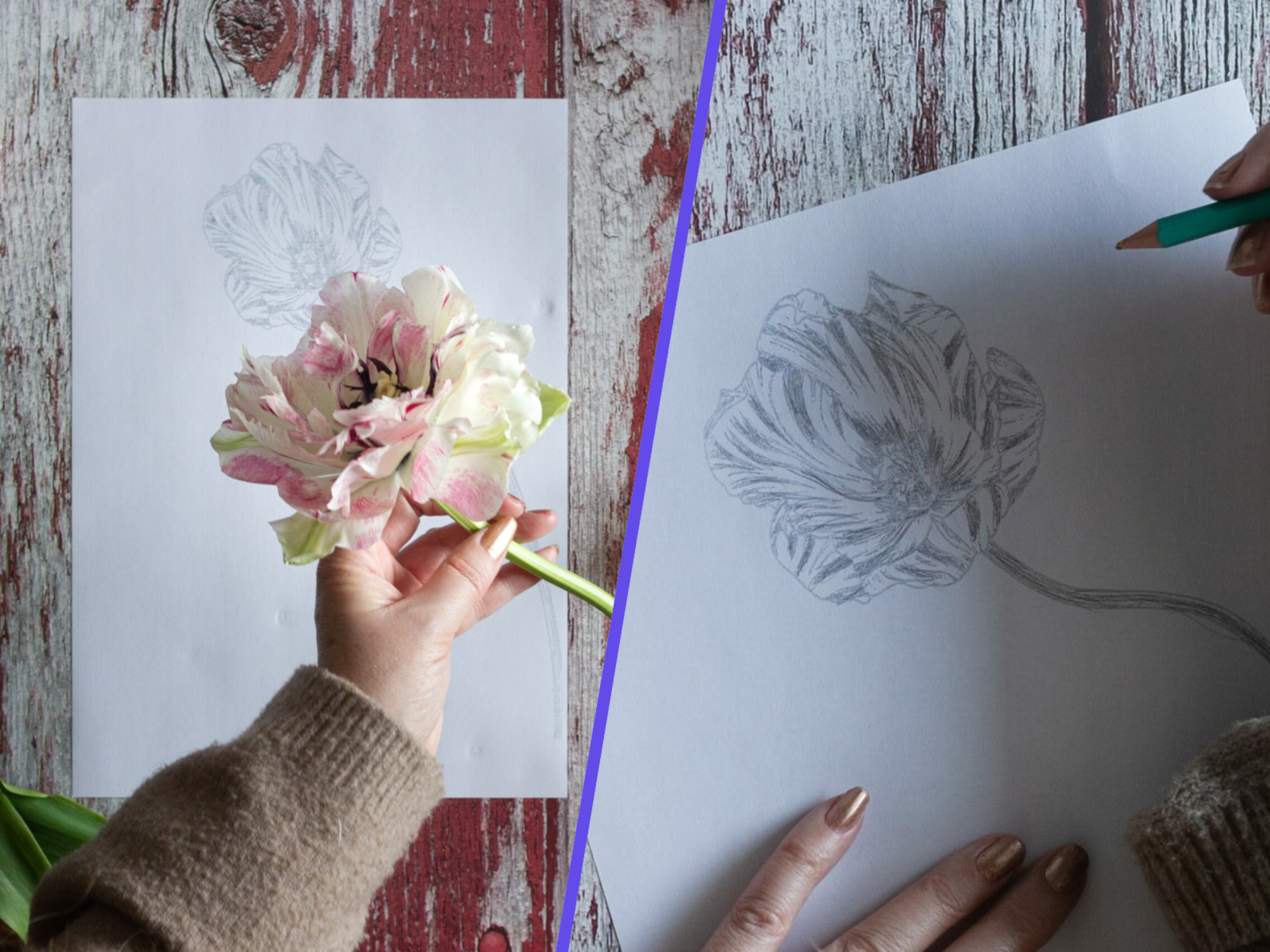
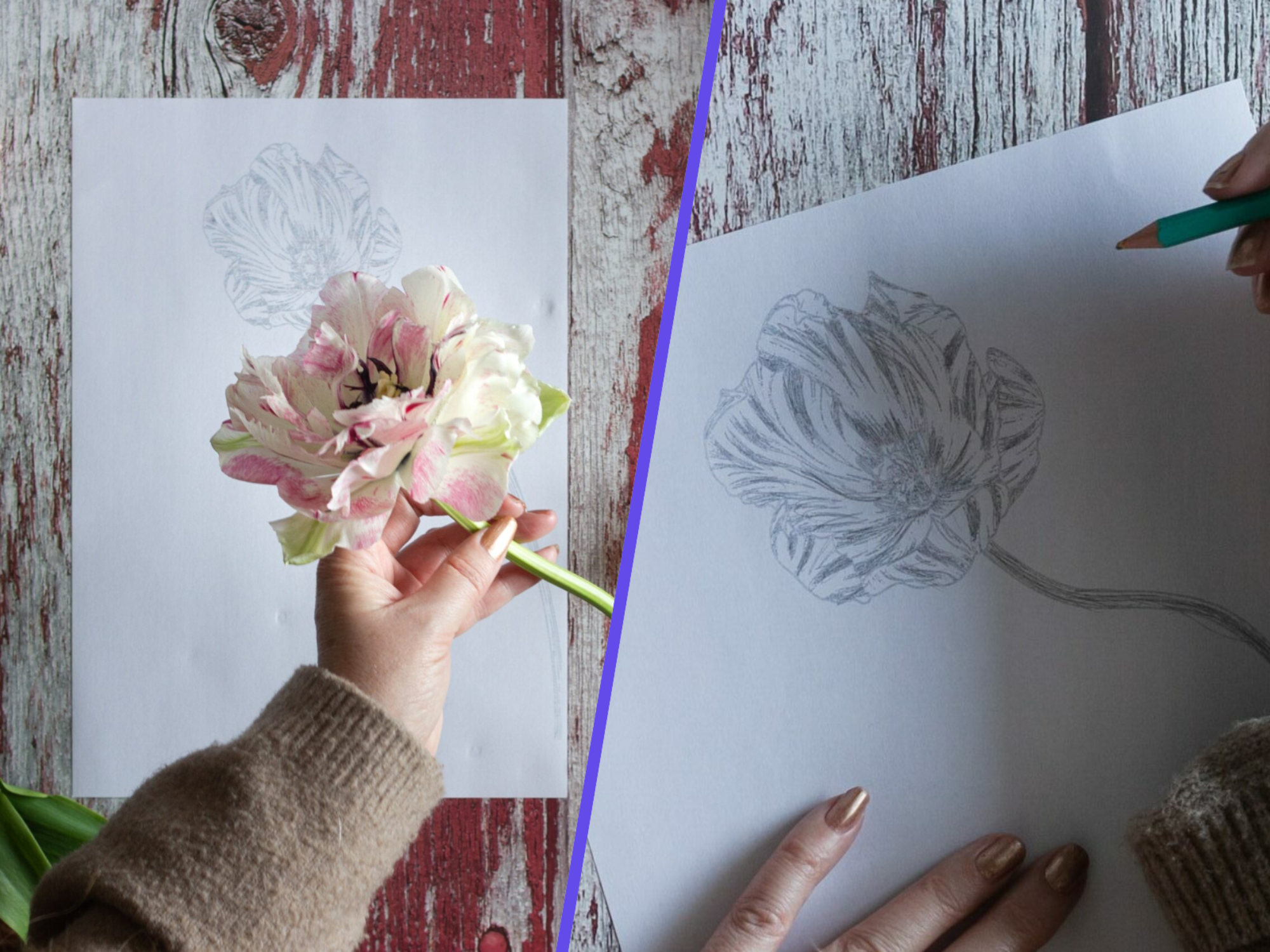
Creating a heavy preliminary drawing only to discover that the drawing below the final work is visible is a common mistake made by novice painters.
The pencil sketch needs to be very clean and light: never utilize a hard graphite pencil. You can use charcoal or willow charcoal to solve this problem.
Keep in mind that you are not using enough color if you can see the work’s sketch below.
Applying a layer of background color, also known as “underpainting” or “under paint,” and then drawing the main lines of your drawing once more with the brush and a neutral color pigment are other options for overcoming this issue.
9 – Prepare The Colors Before You Start
As you start, your consideration should be totally centered around the work.
Before you begin, we recommend that you carefully prepare your color scheme.
Obviously, it very well may be very hard to foresee every one of the varieties ahead of time, yet what you can do is to plan practically the fundamental tones you will utilize all the more habitually.
The advice to work with a limited palette is also sound. Make the remainder of the colors by combining four to five colors taken from the tube.
You will be able to completely immerse yourself in your oil painting if you complete this preliminary work!
Conclusions
These are a portion of the ideas that I wish somebody would have let me know when I initially begin with oil works of art. If you want more stories about Oil Painting Basics, I also recommend reading this one: “Basics of oil painting: Proficient ideas to work on quicker”Oil painting basics: Professional suggestions to improve faster”
Get ready go get dirt and create masterpieces :)!