




There is no doubt that you have heard of Pixar, despite your lack of interest in computer graphics. Every animated film is now produced using the tricks, solutions, and simplifications of 3D graphics thanks to the California-based company.
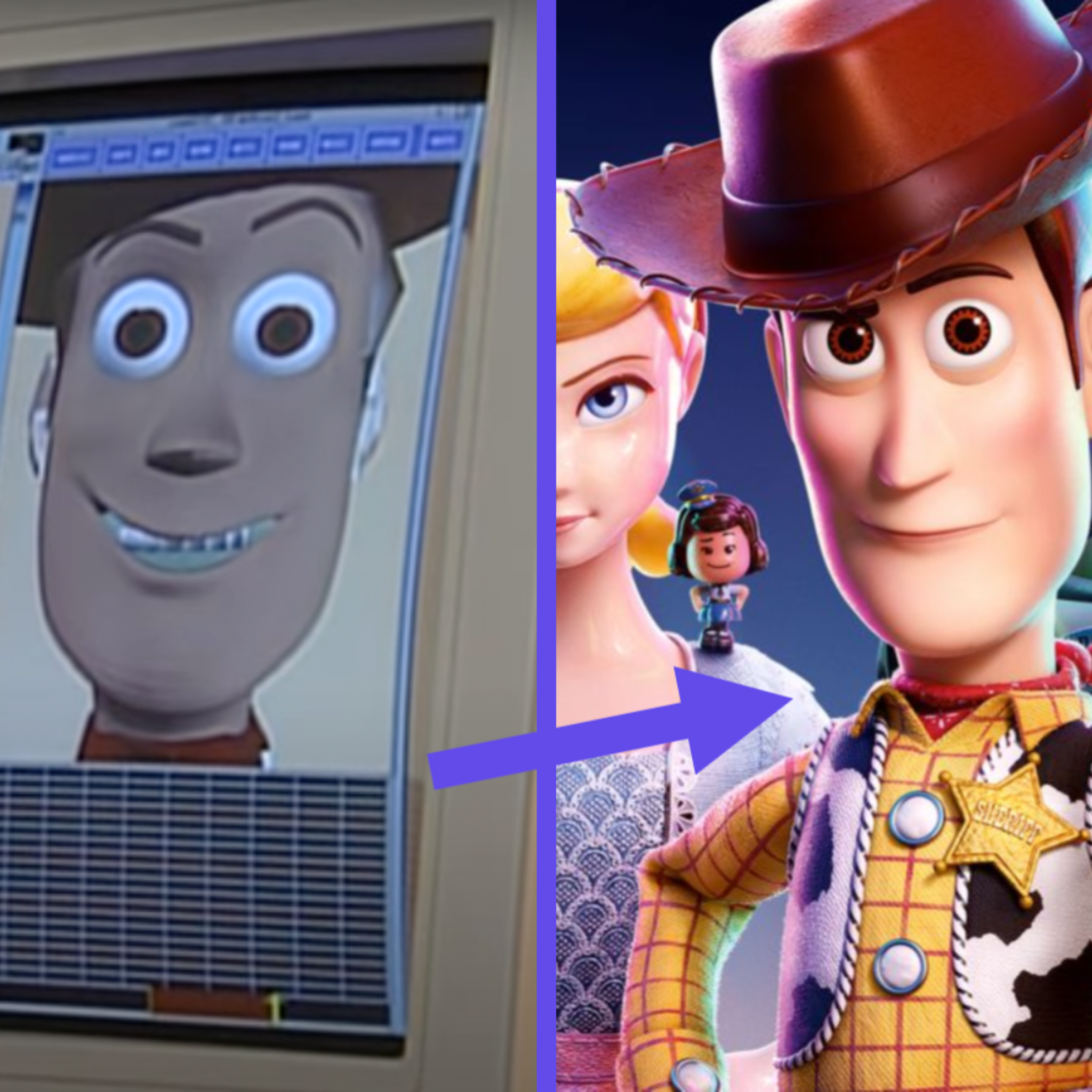
The beginning of its prosperity can be followed back to the mid 1990s, when, under the wing and monetary help of an innovative progressive like Steve Occupations, Pixar figured out how to wrest from Disney an agreement for the principal enlivened film, ToyStory, completely imitated utilizing PC illustrations. It was the first example of how an entire project could be developed using computers to be both more cost-effective and more meticulous in its realization, making it one of the most significant milestones in the history of computer graphics.
The eventual effect on the general public, particularly the younger generation, was not yet known. What would the kids have done? Would they be surprised or delighted?
As a child who saw ToyStory when I was five, I can say that I was very impressed by the story, the music, and the characters, not so much by the CGI itself, which for a child my age was very different from how I imagined drawing would be because I couldn’t yet tell the difference. Naturally, as is appropriate for any film.

Many other young people probably felt the same way I did, which probably contributed to the film’s success in film history.
Pixar has fueled a lot of experience, skill, and, most importantly, success since this point. Nearly all of Pixar’s films have been commercial successes as well as technological landmarks.
Today, we reflect on those early years. When computer graphics were still a mystery and computer programming was still referred to as “technical magic.”
We learn some of the technical behind-the-scenes tidbits of a very early and rather archaic method of digital animation, as well as the reasoning behind an animator’s choices, in this rare interview with two of Pixar’s most important members, John Lasseter and a very young Peter Docter, director of Monster and Co. (the appearance of Sullivan, the purple monster is obviously inspired by his), Up, and Inside Out!
In light of what can be seen, it is interesting to note how the technology behind the CG animation process has changed a lot. It used to be a series of small numbers entered into a kind of Excel spreadsheet. Now, animation software like Autodesk Maya or Blender have interfaces that are definitely more user-friendly.
In the midst of this technical development, it’s also important to think about how the concepts, reasoning, and artistic process behind animation’s conception and definition have remained unchanged for 30 years.
This is due to the fact that the fundamentals of animation remain the same despite changes in tools.
The same logic applies to 3D animation as it does to 2D animation. Beyond the tools and technical nitty-gritty that have and may appear, it is what determines a story’s success. its story and the idea behind it. Additionally, Peter Docter has offered us valuable guidance in this regard today, thereby enhancing our abilities as animators!