




Children’s first impression of 3D is that it resembles cutting-edge digital magic when it is presented in all its potential. The sensation is much more articulated with regards to molecule impacts, reproduction of fire and blazes, straight up to spells, enchantment and superpowers: the genuine VFX.
This “magic” can now be achieved by any modern artist with perseverance and determination—but only with the help of a digital “magic wand” that can guide him!
In 3D, this enchanted wand is addressed by Houdini, which, as its name recommends, permits you to make 3D impacts legitimate to a magician!

SideFX produces Houdini (sometimes referred to as Side Effects Software, a Toronto, Canada-based production company). With the intention of making 3D more accessible to the general public, the history of the software and its production company began in 1987.
PRISMS was the name they gave their first piece of software. It was a 3D designs programming that let clients make ‘procedural’ content. ‘ The term “procedural” refers to the process by which the effects, textures, and 3D geometries are created. These may even be based on actual calculations at times. This is all pre-constructed and afterward embedded into the product. In fact, PRISMS was the foundation for Houdini’s first release in 1996, and it continues to receive regular updates today.
Houdini’s method of creation is one of a kind, and unlike other software, it lets you “simply” create 3D elements. You can create a model using procedural creation, and you can also control how that model and all of its similar copies look.
Let’s take the creation of a feather or rock waterfall as an illustration. It would be unfathomable for an illustrator or modeler to reproduce each quill as well as rock individually, with individual varieties in size, variety, and development.
Houdini solves this issue by developing a “system” for simulation. Houdini stands out from the competition due to this “system.”
With this software, it is now possible to create a single animation node that manages all of the rocks or feathers in a procedural manner. This implies that you can involve plans and frameworks to make the varieties for every component, rather than doing it all physically. The process is significantly streamlined and expedited by this. You can see some of the 2022 productions that utilized Houdini’s potential in this reel. These outcomes are pretty incredible!
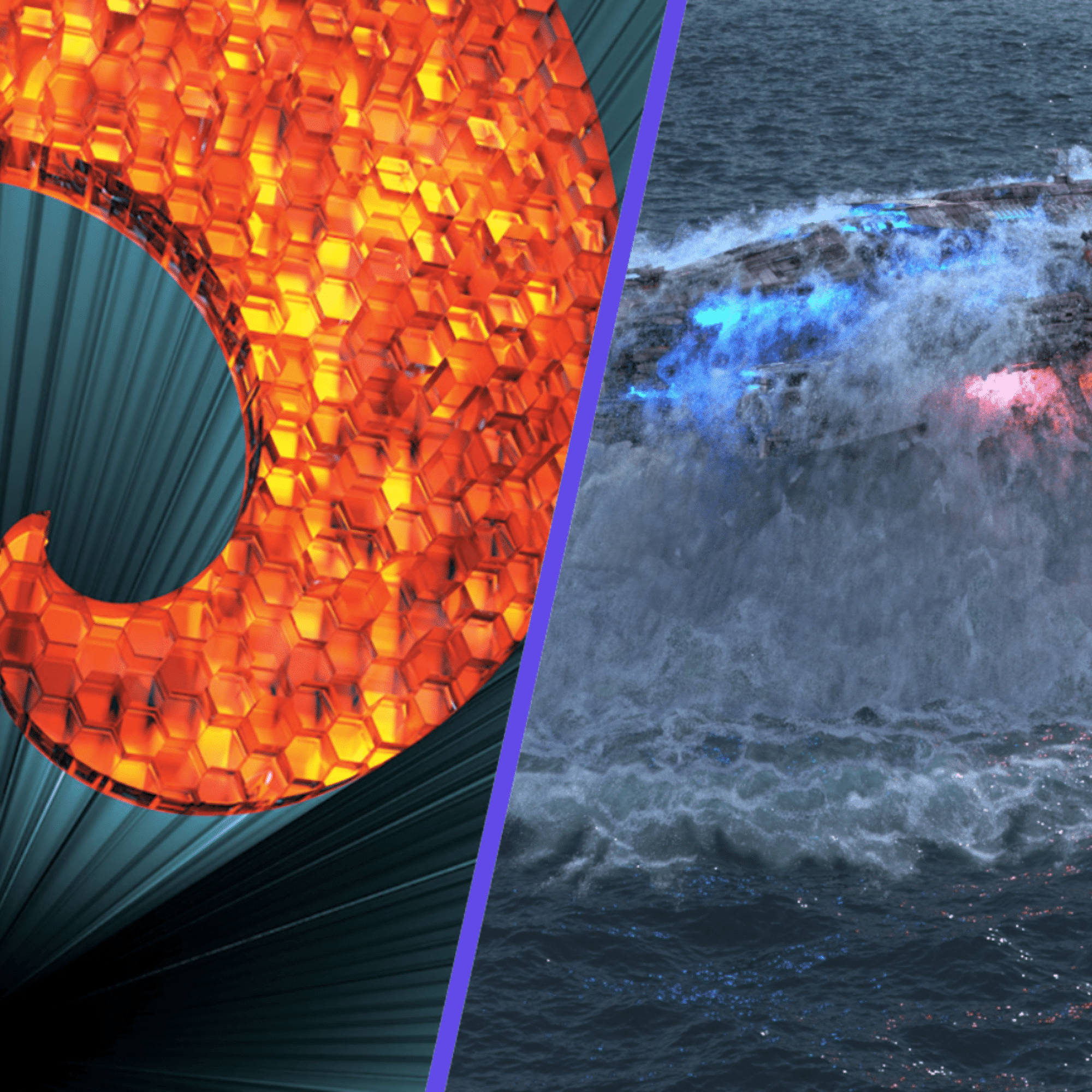
Houdini has been utilized in a ton of high-spending plan films in light of the fact that its procedural hub framework is truly great for reproducing the making of impacts, similar to blasts, obliteration, air specialists, or any sort of mysterious substance.
Encanto, Dr. Strange, Uncharted, and Matrix are among our favorites. Halo, Jumanji, and Resurrections. Houdini has been used by some of the biggest video game developers to create jaw-dropping game cinematics. For instance, the hugely well known game Class of Legends involved Houdini for their in-game motion pictures. Houdini’s effects have also been used in major games like World of Tanks and Call of Duty. Because it is so powerful, Houdini can even export its settings to Maya, Unity, Unreal Engine, and Cinema 4D. That is thanks to the Houdini Motor, a marvelous module that makes Houdini integratable with a wide range of other programming.
The best part is that there is a free software version of Houdini with some restrictions. Or you can get the “Indie” version for $269 per year, which is ideal for small studios with less than $100,000 in revenue.
I’ll pass on here the connection to a great instructional exercise made by Adrien Lambert in which you will see the force of procedural displaying in Houdini:
For more information, please visit their website at: https://www.sidefx.com. If you need help with your magical powers, they’re the people to see!