There are many kinds of watercolor paper available, however the inquiry is only one: what is the paper that will give you the outcome you are searching for?
When you know the solution to this inquiry, your decision will become programmed. To do this, you need to know what the different kinds of painting paper on the market are like.

Watercolor Paper: Weight Or Gsm – Why it is so essential?
Weight and thickness are frequently misunderstood as being synonymous.
This is in no way, shape or form the case: The actual size of the paper is expressed by its thickness, while its weight is related to its density and its weight in grams per square meter.
For instance Book of scriptures paper has a load of 30 grams for each square meter, copy paper arrives at a normal of 80 grams for every square meter. On the other hand, it is difficult to reduce the weight of painting paper below 150 grams per square meter.
Any technique necessitates a specific weight, but when it comes to watercolor paper, this becomes an even more critical consideration. We are dealing with extremely wet colors and water that has a tendency to cause the sheet to deform. You can choose albums with more or less high weights depending on your style and technique. Sheets that weigh 200 grams can be used by people who work quickly and with little water.
Weights of at least 300 grams will need to be used by those who consume more water.
Watercolor Paper: Smooth Or Rough one?
Which type of watercolor paper, smooth or rough, should you choose?
Again, your decision is based on how you intend to use that medium.
For more technical work and, in any case, more detailed drawings, the smooth watercolor one is ideal. There is only one option when it comes to using a pen and paper in the technical field.
In contrast, rough watercolor type is a more artistic support because of its irregular structure, which guarantees blurred effects.
The size and detail of the work are two additional questions to ask yourself when choosing the right paper.
Smooth paper is preferred for fine-grained paintings, while rough paper is ideal for larger drawings and paintings. Every one of these, be that as it may, are overall principles, which each craftsman can break and adjust to their own necessities.

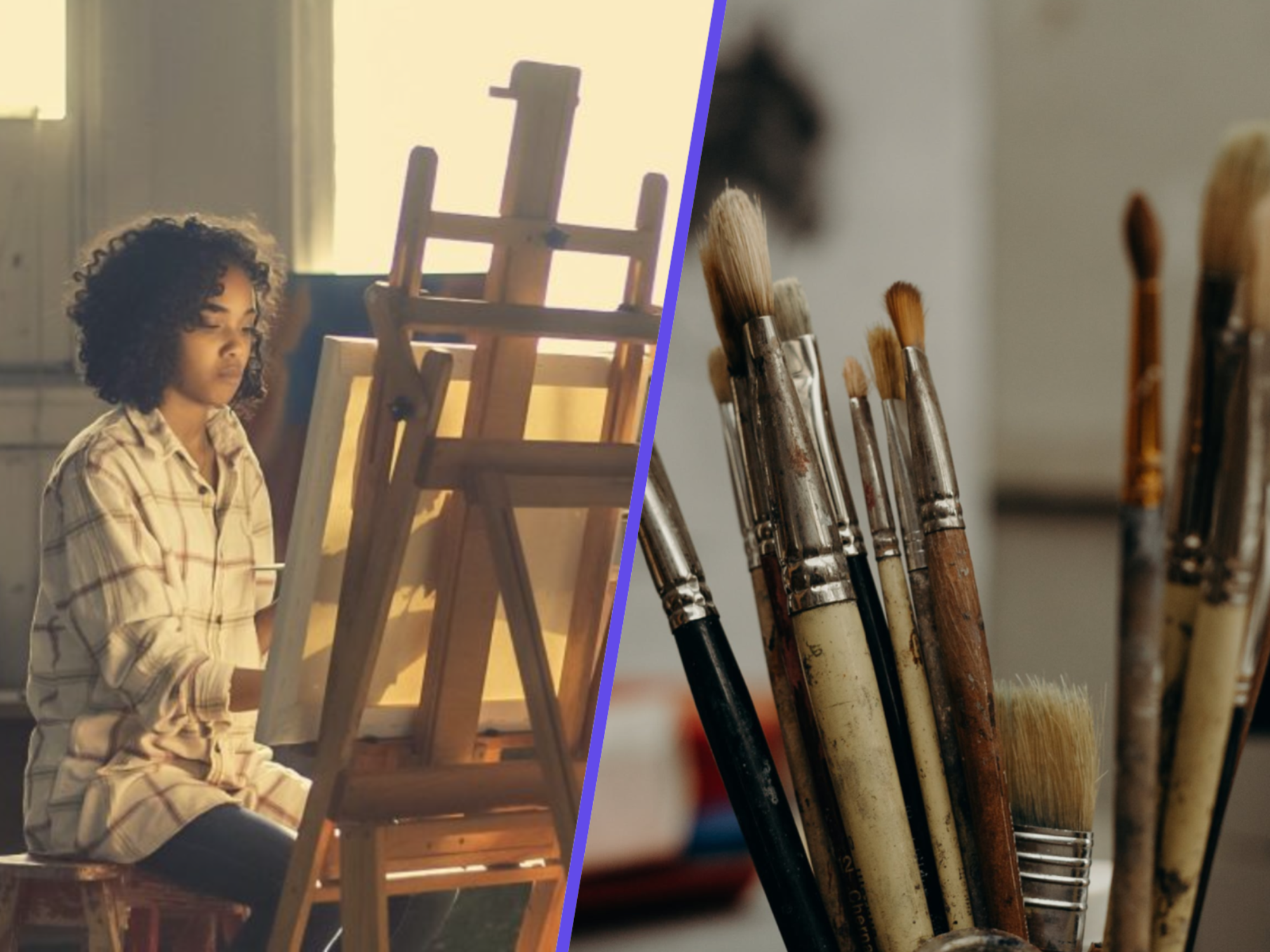
A few craftsmen love to paint in their studio, others love to submerge themselves in nature, and others keep all that they need to paint in their sacks all over the place.
The size that is required for each case varies.
The traditional painting album, which typically has 20 sheets, serves as the basis for the selection.
On a single side block, they can be spiraled or glued. Travel sketches would benefit greatly from this last option.
The sizes below and above the standard A4 format are usually plentiful.
Roll painting paper should be the choice for people who want to create particularly large works because it lets them occasionally achieve the desired dimension.
A Special Case: The Choice Of Watercolor Paper

What distinguishes the types of watercolor paper?
More than any other method, the type chosen influences watercolor painting.
To give you an example, colors made of acrylic can be used to great effect on almost any kind of support.
However, the watercolor method is more difficult. If you select the wrong album, you run the risk of putting your work at risk. This is especially true for beginners, who frequently have trouble accurately dosing the water.
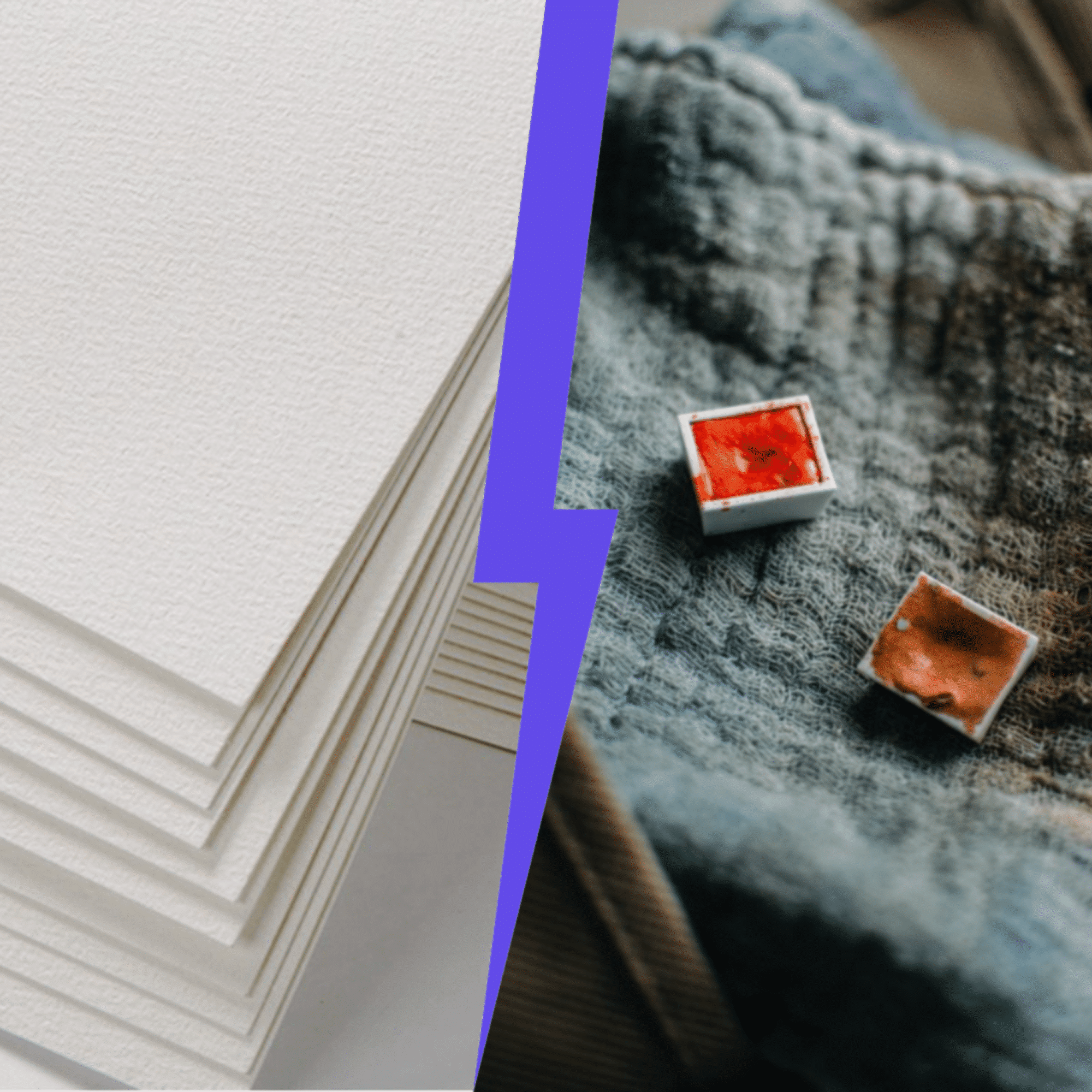
The material used to make each type of watercolor paper is primarily what sets them apart. There are two fundamental choices: cotton, and cellulose paper. Between these two options are mixed papers, which are made partly of cotton and partly of cellulose. These papers have the advantage of being less expensive than 100% cotton sheets, which typically cost a lot.
But why do all watercolorists prefer to paint with cotton sheets?
Simple: Its properties are ideal for all wet methods, particularly watercolor.
The neutral ph of the paper distinguishes 100% cotton albums.
Additionally, it is highly resistant to aging.
Cotton paper does not yellow over time like pure cellulose support does. Water ingestion is additionally adjusted and homogeneous, and variety retention is similarly homogeneous, on account of the ordinary sticking of these sheets.
Cotton and blended sheets, in contrast to low-quality watercolor ones, deform only slightly when wet and then return to their original shape when dried.
If you have already begun learning watercolor, this book review should be very helpful to you:
“Yuko Nagayama: “You Can Paint Vibrant Watercolors In 12 Easy Lessons”