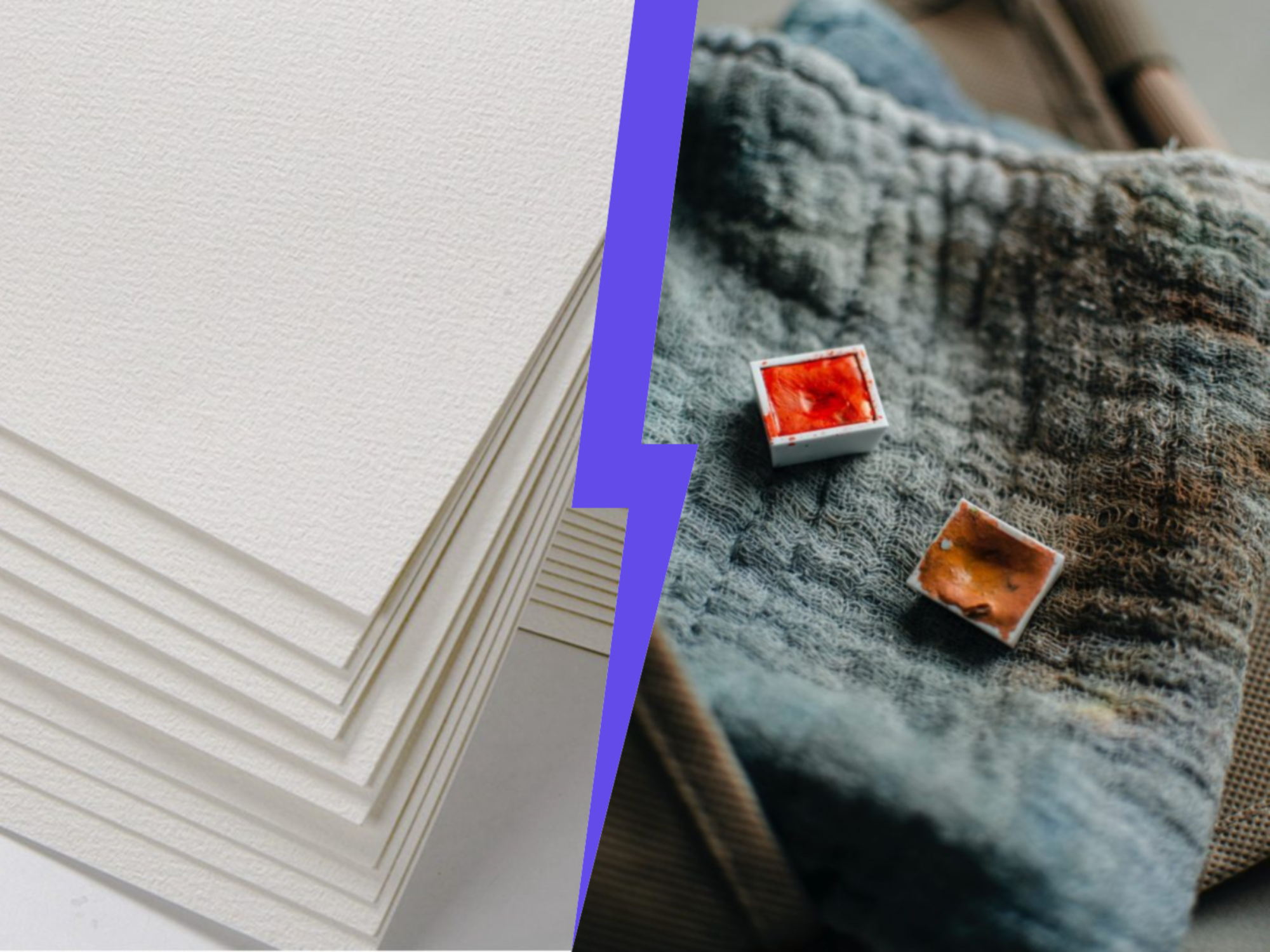



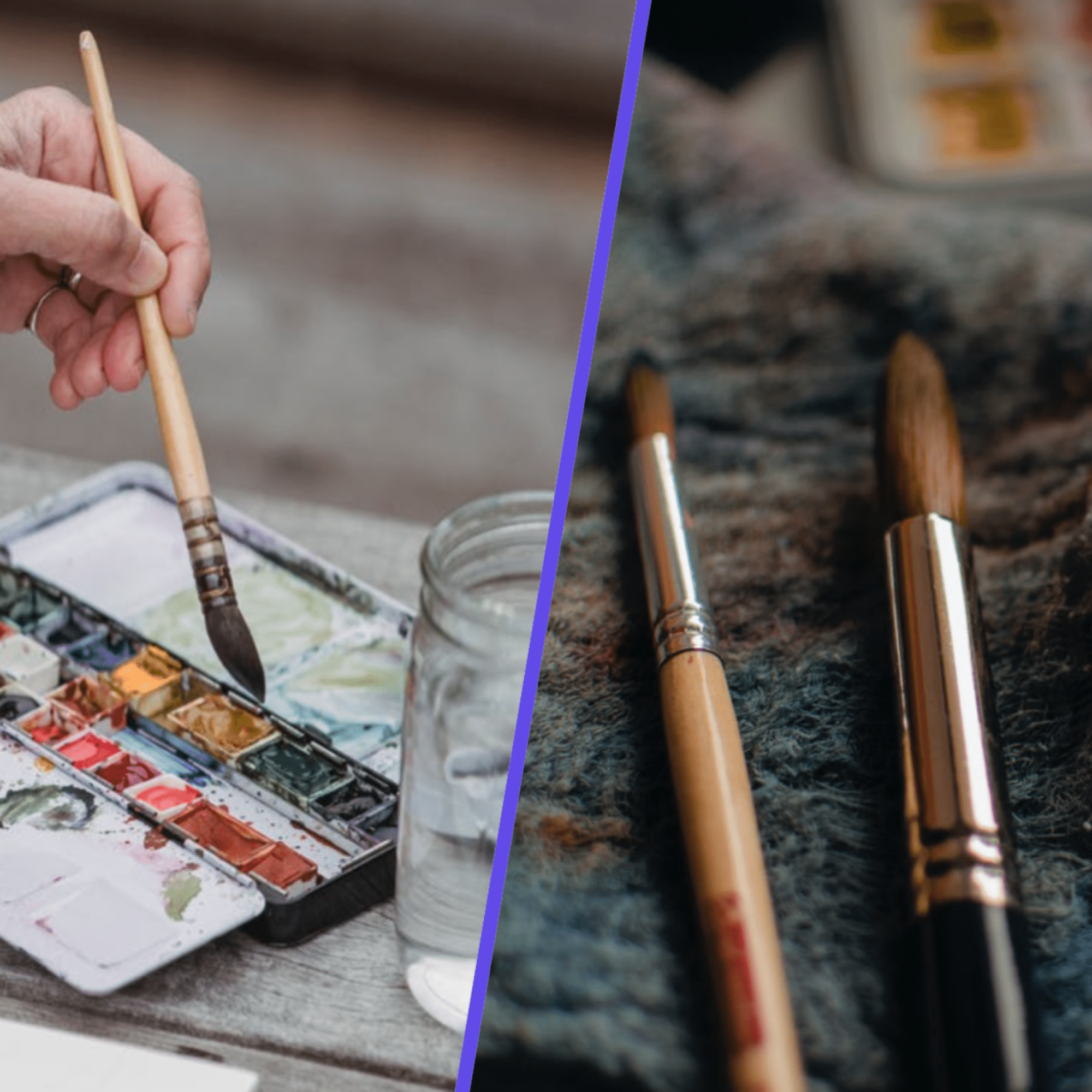


Along with godets (colors) and the paper of choice, watercolor brushes are unquestionably the most valuable of the essential tools for watercolorists or illustrators. Together with their experience and practice, they are the triumphant partners for the individuals who need to explore and work on each day.
But that love for the tools must not stop at the end of an artwork.
In order to respect this art discipline. you also have to keep in mind how to protect and care their fibers.

Watercolor brushes: Which one will be your favourite?
In order to comprehend how to preserve them and their characteristics, we will investigate any and all possible variations in shape, size, quality, and component characteristics.
Since there is a wide variety of brushes available, we will focus on the most frequently used ones for the watercolor technique.
First keep in mind this too: “Superior quality means Better results“
When shopping for a new brush, try to remember that a higher-quality brush will give you more control over the technique and better results and will of course last longer.
Natural Or Synthetic Fibers?
There is a specific kind of brush for each technique.
The length of the handle and the shape and size of the bristles distinguish brushes.
It is essential to identify those who are right for us.
Most of the time, the tips have short handles and are made of soft and natural fibers.
There are various types available on the market but watercolor painting calls for mink or marten bristles.
These bristles are extremely adaptable, durable, and capable of holding more water.
The squirrel fibers found in other brushes are as supple as those found in Marten brushes;
While brushes with bull hair bristles are eminent for their consistency and long life.
There are likewise brushes produced using synthetic fibers which are a less expensive option in contrast to normal fiber ones however they lose a some of the water capacity of the regular ones.
How To Preserve your watercolor brushes
There are very few ways to keep your brushes looking their best for as long as possible, and following this steps only takes a few minutes.
Your brushes will have a longer lifespan if you can observe a sort of ritual after each use.
When you finish you painting, it is critical to store your brushes perfeclty: so they are prepared for their next use.
For watercolor painting, you don’t need solvents: all you need to do is get clean water and immerse the brushes in it to remove any remaining color.
Take then a cotton cloth, on which the wet bristles must be rotated gently, to preserve their shape and also gently absorb any excess color or water. Do not stroke the brush during this process, just move it towards you while you rotate it in your hand.
If there is still some color in their fibers one of the things you should avoid doing is pressing the tip of the brush against the cloth. If you do this, you run the risk of pulling the bristles out of the brush.
Repeat the same steps (water + move&rotate) if the brush is still covered in color to make sure there is no residue between the bristles and the ferrule.
Even after cleaning, this procedure will help in maintaining the original shape (which is fundamental to be precise in your next artwork).

Watercolor brushes: A Few other practical Tips
Drying: it is important to let the brushes dry at room temperature.
After you have Gently removed the water excess leave the brush dry upside down.
Thanks to the brush cleaner you can place brushes in a vertical position. If you don’t have a brush cleaner can also place them on a dry cloth in a horizontal position.
Another thing you should avoid is to place the brushes with the tip pointing downwards in a container, especially if they are wet, in this case, you will risk bending the tips.
Also, avoid direct exposure of the fibers to excessive heat sources because that could damage them.
Remember the cap: another important element for the care of your watercolor brushes that has the function of protecting the bristles. It should be applied when your brush is completely dry.
The cap ensures that the tip retains its shape and protects against dust.
Conclusions
Watercolor is my number one procedure for painting. Every brushstroke reveals something new about the possibilities that water offers. I also recommend its second part if you like this story and the watercolor technique: