




Many people are of the opinion that formal training is required to become a professional artist. However, not always is this the case. Numerous self-taught artists have established successful careers in the art industry. Don’t let the lack of formal training stop you from pursuing a career in art. There are numerous ways of mastering and foster your abilities as a craftsman. You can realize your goal of becoming a professional artist by putting in a lot of effort and putting in the time.

1. Strengthen your self-esteem
Having self-confidence is the first and most important thing you need to do. On the off chance that you don’t really accept that that you can be an extraordinary craftsman, then you never will be. Go out and achieve your goals if you believe you have what it takes to succeed. Although it may sound trite, your success is based on this universal idea. If you want to become an artist but don’t believe you will be successful, you will only waste time. In point of fact, having confidence in oneself will help you study and make decisions with precision and efficiency. Because it will be easier to figure out “how” to achieve your goals if you believe in yourself. Therefore, the first step in becoming an artist is to believe in yourself. The rest will come later.
2. Get involved in art groups
One of the most amazing ways of mastering and foster your abilities as a craftsman is to engage in the workmanship world. There are various ways of doing this, for example, going to workmanship shows, taking craftsmanship classes, or joining a craftsmanship bunch. You can meet other artists and learn about new opportunities by getting involved in the art world. You will get to meet other artists and view their work. You may likewise find that you have the amazing chance to team up with some of them. A great way to learn about new methods, styles, and the job itself is through this method. Spending time with individuals in your current circumstance will open entryways and amazing open doors you would battle to see as all alone. In this field, human relationships are very important. They can have the effect toward your imaginative vocation. Take advantage of every opportunity you can.
3. Study the work of other artists
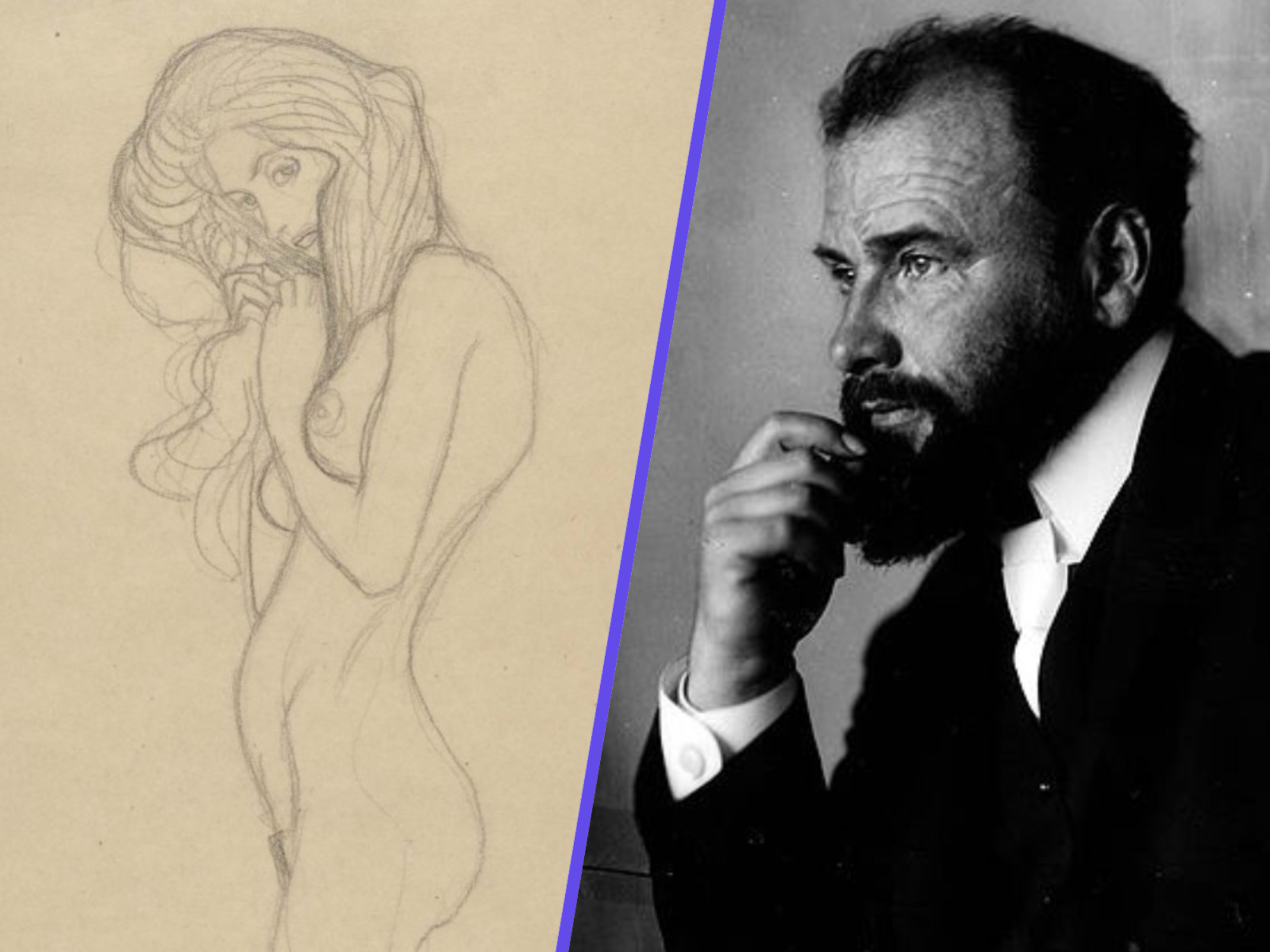
Studying the work of other artists is one of the best ways to learn and improve your own art. Examine their color choices, composition, and brushwork. Analyze the aspects of their artwork that you find appealing and unattractive. Try to imitate the style of an artist whose work you admire in your own work. Finding your own artistic voice and learning new techniques are two great goals. You will learn about various painting techniques and styles by studying other artists. You might discover that a particular approach or artist’s use of color appeals to you. Studying other artists will help you improve your own work, no matter what you learn. For instance, numerous specialists study “Claire Wendling” drawings, which are a mix of dominance and stylish, you can peruse more about her in this story: ” “Forget me not” by Claire Wendling will make you addicted to art for good, but you have to find your favorite teachers!

4. Study technical books about drawing and painting
There are a lot of options for you to choose from when it comes to learning how to paint. You can find free resources like videos and tutorials online. Alternately, you can invest a small amount in a few books that will really help you fully comprehend the field in which you want to excel. We, as artists, highly recommend Steve Huston’s “Figure drawing for artists.” Anyone who wants to learn how to draw or refresh their skills can use it as a reference. Huston discusses the fundamental drawing skills of perspective, form, and light in it. Additionally, he provides useful practice and skill-enhancing exercises. This book is a great resource whether you are just getting started with painting and drawing or want to improve your skills. It will help you become a better painter by providing you with a solid foundation in the fundamentals of drawing.
5. Always carry a sketchbook with you
One of the most outstanding ways of acquiring and foster your abilities as a craftsman is to draw from life. This implies seeing as a subject, whether it’s an individual, spot, thing, or scene, and drawing it for all intents and purposes, with practically no embellishments or changes. You can draw on the metro, during a line, while sitting under a delightful tree or having espresso with a companion, for instance.

You can develop your own style by drawing inspiration from your own life. It’s easy to get caught up in trying to imitate someone else’s style when you’re constantly looking at pictures or paintings. Be that as it may, while you’re drawing from life, you’re compelled to take a gander at the world in another manner and to track down your own exceptional approach to addressing it. One more advantage of drawing from life is that it assists you with grasping point of view. A photograph only presents a two-dimensional image to the viewer. However, when you draw from life, you have a three-dimensional perspective on the world. You may be able to produce artwork that is more realistic with the assistance of this. Last but not least, you can connect with other artists by drawing from life. When you are working on a drawing, you may feel isolated from the rest of the world because you are frequently focused on your own work. However, when drawing from life, you are surrounded by others who are also creating art. This can assist you with feeling part of a local area and to get criticism and guidance from different craftsmen. Keep in mind that becoming a professional artist requires a lot of hard work and dedication, no matter which path you choose. Notwithstanding, assuming you have the enthusiasm and the dauntlessness, you can accomplish your fantasy about turning into a craftsman. Because talent isn’t enough, you need drive and strength to become an artist.