At first, oil painting for beginners appears to be difficult. If you are just getting started with oil painting, you should make one of these mistakes.
This article is written for anyone who enjoys oil painting: It is not enough to know how to paint to get good results;
You additionally need to know impeccably how not to paint. When painting with oil paints, these are the most common blunders to steer clear of.
Oil painting for beginners: The most common mistakes
1 – Use Too Little Color
The majority of novice painters use very little color.
However, a painting is not created by the canvas but rather by the palette of colors.
Fortunately, there is a straightforward and efficient method for persuading novices to use more color.
Basically look a Van Gogh or Rembrandt’s painting!
This does not necessitate that all oil-painting artists emulate these two artists, but it is sufficient to alter one’s approach and begin employing sufficient color.
You can also do a high-impact practical exercise to make sure you don’t make any more mistakes: Try to paint without going back to your palette by making more than three strokes.
2 – Use Water As A Solvent
Here is a minor mistake that can daze any expert painter, however it is entirely expected among student oil painters.
The majority of people who make this error are familiar with watercolors and tempera colors, which have a watery base.
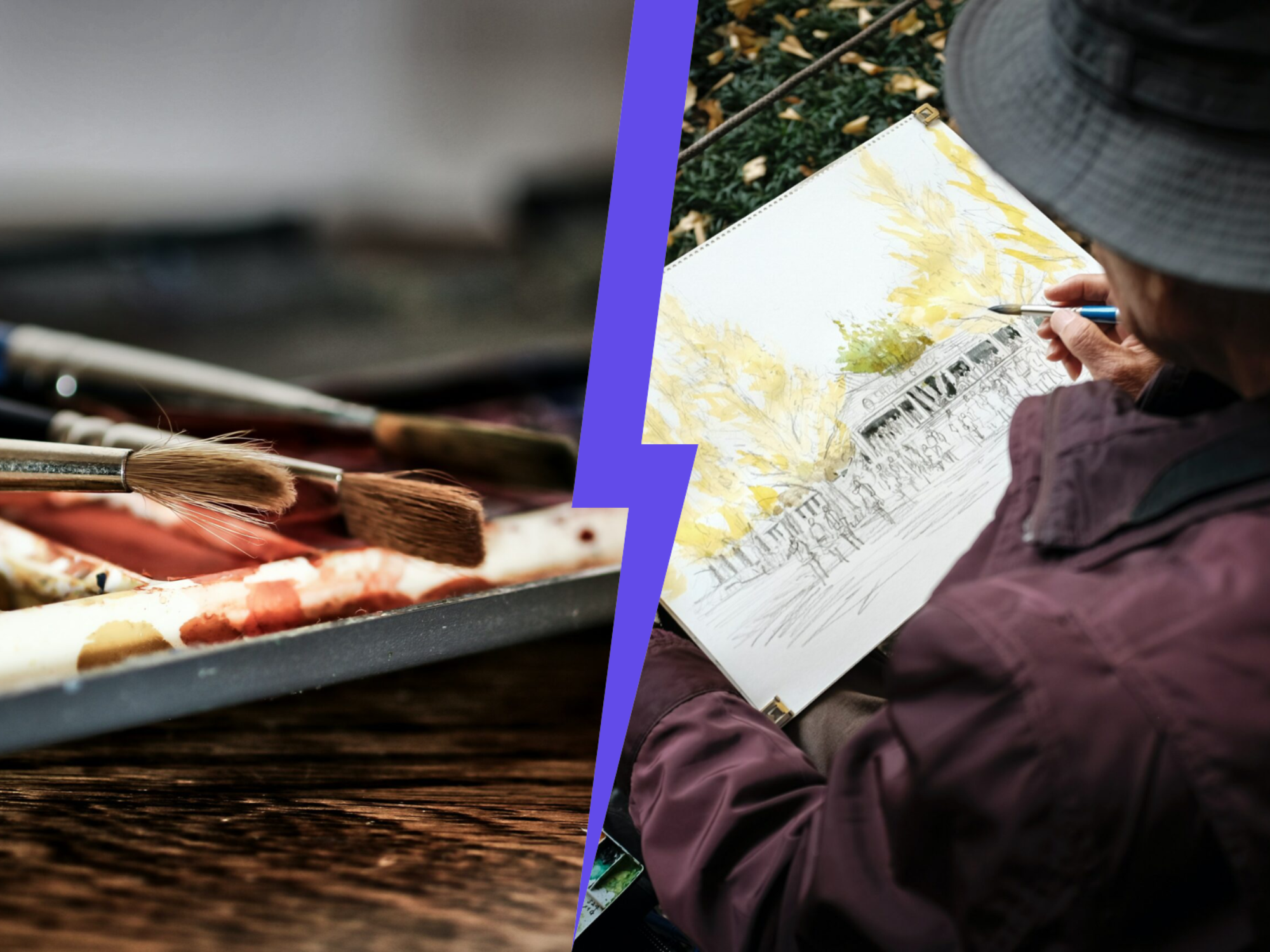
Oil painting for beginners – ArtGuilds
Oil painting for beginners: Water is forbidden
3 – Use Oil Paints As They Come Out Of The Tube
Utilizing oil paints as well as pressed from the cylinder is fast and simple. You can do it sometimes, but it shouldn’t be the norm; it should be the exception.
Why? Simple: You need to be aware that reducing the saturation level occurs when mixing different colors. To monitor this secondary effect, the oil colors available have an extremely serious level of immersion, however this doesn’t compare to colors in nature.
4 – Not Having A Method
You can paint following the motivation existing apart from everything else. However, there is always a way to avoid ruining a painting before it is even started.
Be sure to choose your method before you bring the brush closer to the canvas to avoid annoyance and frustration.
5 – Using White Paint For ‘White’ Objects
Oil painting for amateurs could appear to be hazy, yet search for white items. Take a look at your plates, the house’s walls, the clouds, and the daisy petals in the garden. Now, contrast the fundamental pure white in your oil paint set with all those “whites.” They will soon become apparent to be distinct hues. Therefore, if you are required to imitate a white color, carefully consider it and observe it to determine which color to add to make your painting more faithful.
Oil painting for beginners: White “is not” White
6 – Do Not Use Your Palette Randomly
Yes, you can use any space for any color on your palette. But you’ll agree with us that constantly searching for the right colors or, even worse, blindly dipping the brush into the wrong color will not advance your work or make it successful.
In this way, we suggest that you begin organizing the oil colors reliably on your range, for instance, in a curve, so you can blend the varieties in the middle.
7 – Do Not Clean The Brushes At The End Of The Work
Oil paints take a long time to dry, but that doesn’t mean they never dry! Brushes must therefore be cleaned at the conclusion of each session.
A brush absorbed variety and left to its destiny can as of now not be utilized – and this is a genuine waste. Your ideal allies are environmentally friendly cleaners like Marsiglia soap or Tintorsetto soap.
8 – Dressing The Right Way
The people who paint with oil colors should know that each and every stain on their dress will remain so: These oil colors are hard to work with.
As a result, it was suggested that you wear an apron.
9 – Mixing Too Many Colors
As stated in the preceding points, using oil paints straight from the tube can be a bad painting technique. To preserve a particular shade, avoid even the opposite excess. Oil painting for amateurs should be basic. With training, this effortlessness will drive you toward a path that will be culminated over the long run.
In order to prevent the painting’s detail from being lost, we recommend that you train yourself to mix the colors in a logical manner.
Oil painting for beginners – ArtGuilds
Oil painting for beginners: mixing too many colors= Gray color
10 – Using The Wrong Materials
Canvases, oil paints, brushes, and other materials: You can’t do your best work if you buy materials of the lowest possible quality.
11 – Using Varnish Too Soon
We know: Everyone wants to mark a painting as finished by making the final stroke.
Because of this, a lot of novice painters make the mistake of not using the final paint, leaving their paintings defenseless against dust and yellowing.
Different painters, consume the stages, applying Stain paint a couple of days after the last brushstroke. Even worse, this is a mistake. After six months, or even better, after a year, the final paint should be applied when the oil paints are completely dry.
You’ll be closer to becoming a professional painter if you follow these tips because oil painting for beginners is a wonderful challenge.
If you like this article, I recommend you this article too: “Oil painting basics – Professional suggestions to improve faster”




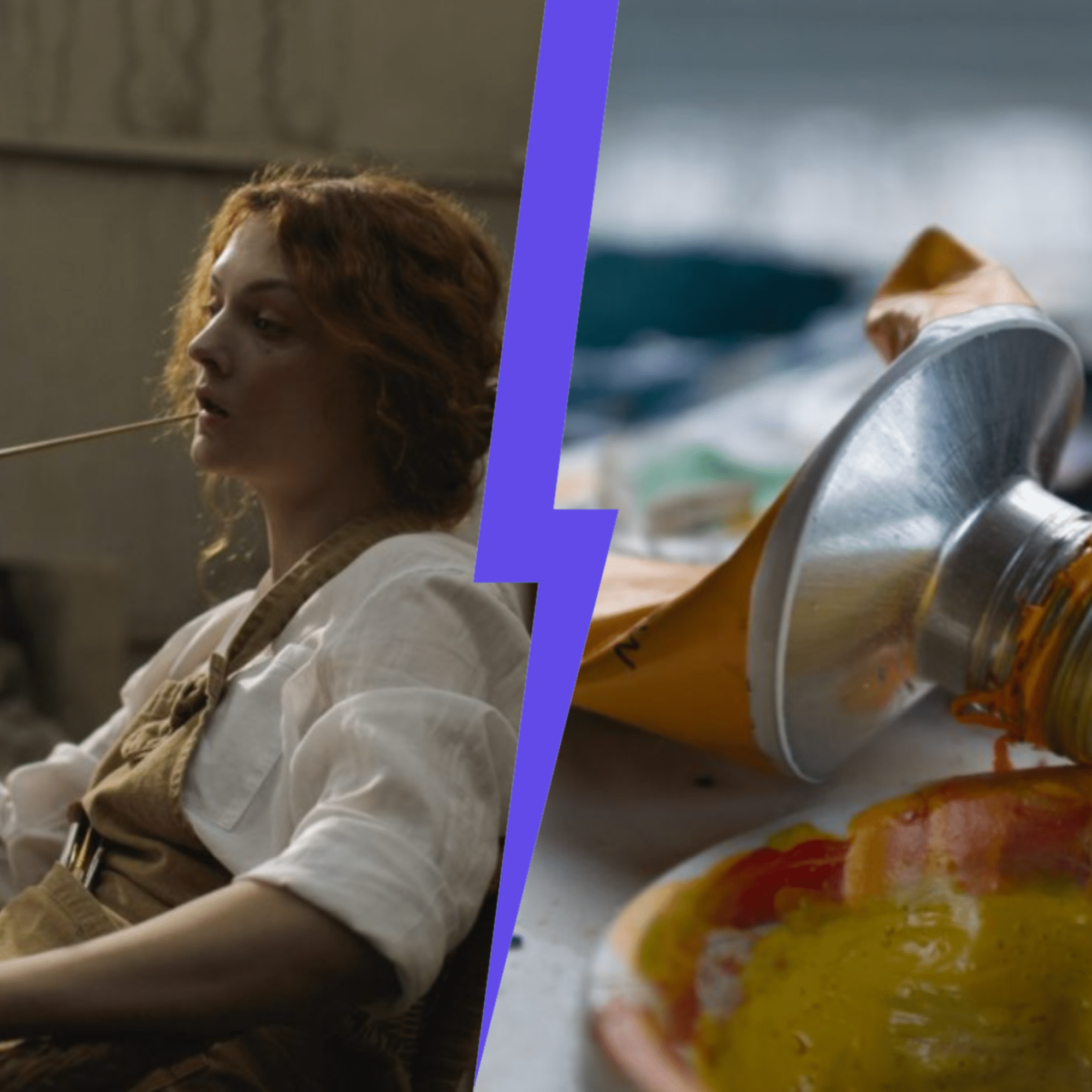


 Oil painting for beginners – ArtGuilds

 Oil painting for beginners – ArtGuilds